

Chouchane Siranossian and Venice Baroque Orchestra Acclaimed at the Festival de Torroella

On 9 August 2026, violinist Chouchane Siranossian appeared with the Venice Baroque Orchestra at the Festival de Torroella de Montgrí in Spain, presenting a programme exploring the extraordinary violin virtuosity of Antonio Vivaldi, Francesco Maria Veracini, Giuseppe Tartini and Pietro Locatelli.
Ahead of the performance, Spanish newspaper La Vanguardia published an extensive interview with Siranossian by journalist Maricel Chavarría, in which she discussed the artistic concept behind the programme as well as her close collaboration with the Venice Baroque Orchestra and its founder, harpsichordist and conductor Andrea Marcon.
Describing the orchestra, Siranossian said:
“Working with the Venice Baroque Orchestra is a privilege—they have this music in their blood.”
She also emphasized the artistic trust she enjoys with the ensemble:
“With them, I know I can dare to do things. This is the repertoire I perform most, and it is where I continue to develop improvisation and many other aspects of my playing.”
Siranossian explained that the programme imagines a friendly “duel” between four of the greatest violin virtuosos of the early eighteenth century—Vivaldi, Veracini, Tartini and Locatelli—demonstrating that dazzling violin technique flourished long before Paganini. While highlighting each composer’s distinctive musical language, she stressed that Baroque virtuosity was never merely about speed, but also about expressive depth and the ability to move audiences.
-
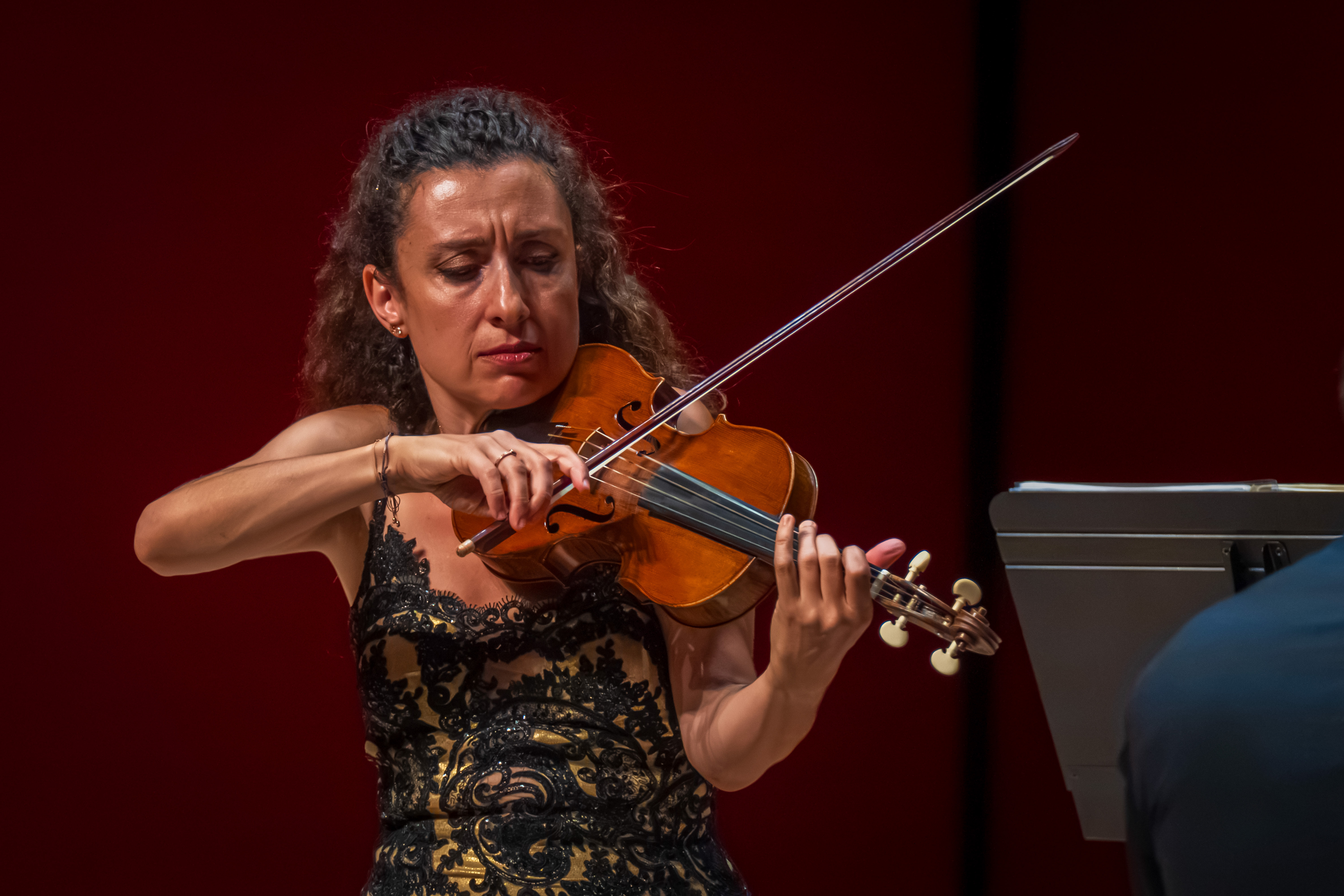
© Roger Lleixà · Festival de Torroella, 2026 -
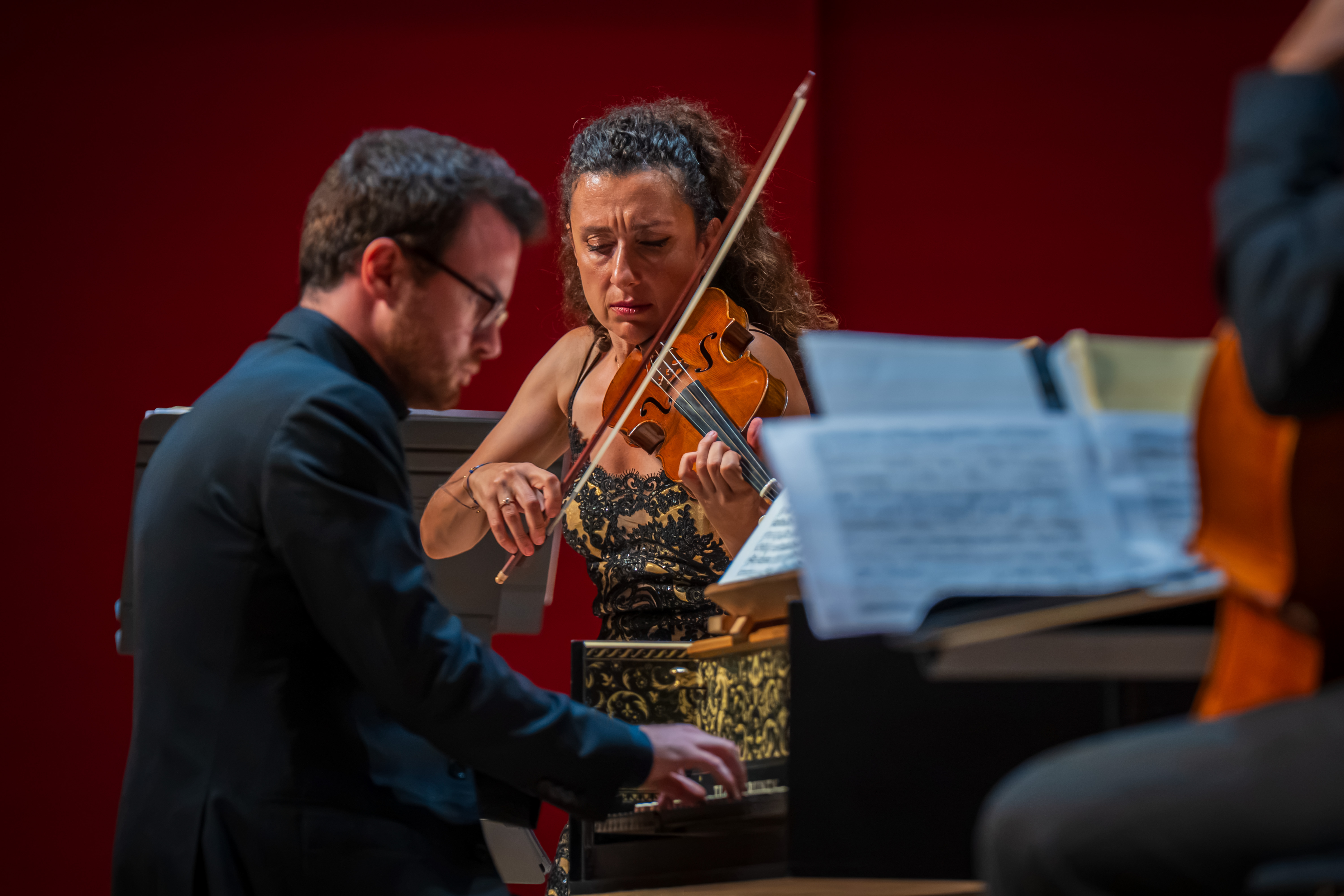
© Roger Lleixà · Festival de Torroella, 2026 -
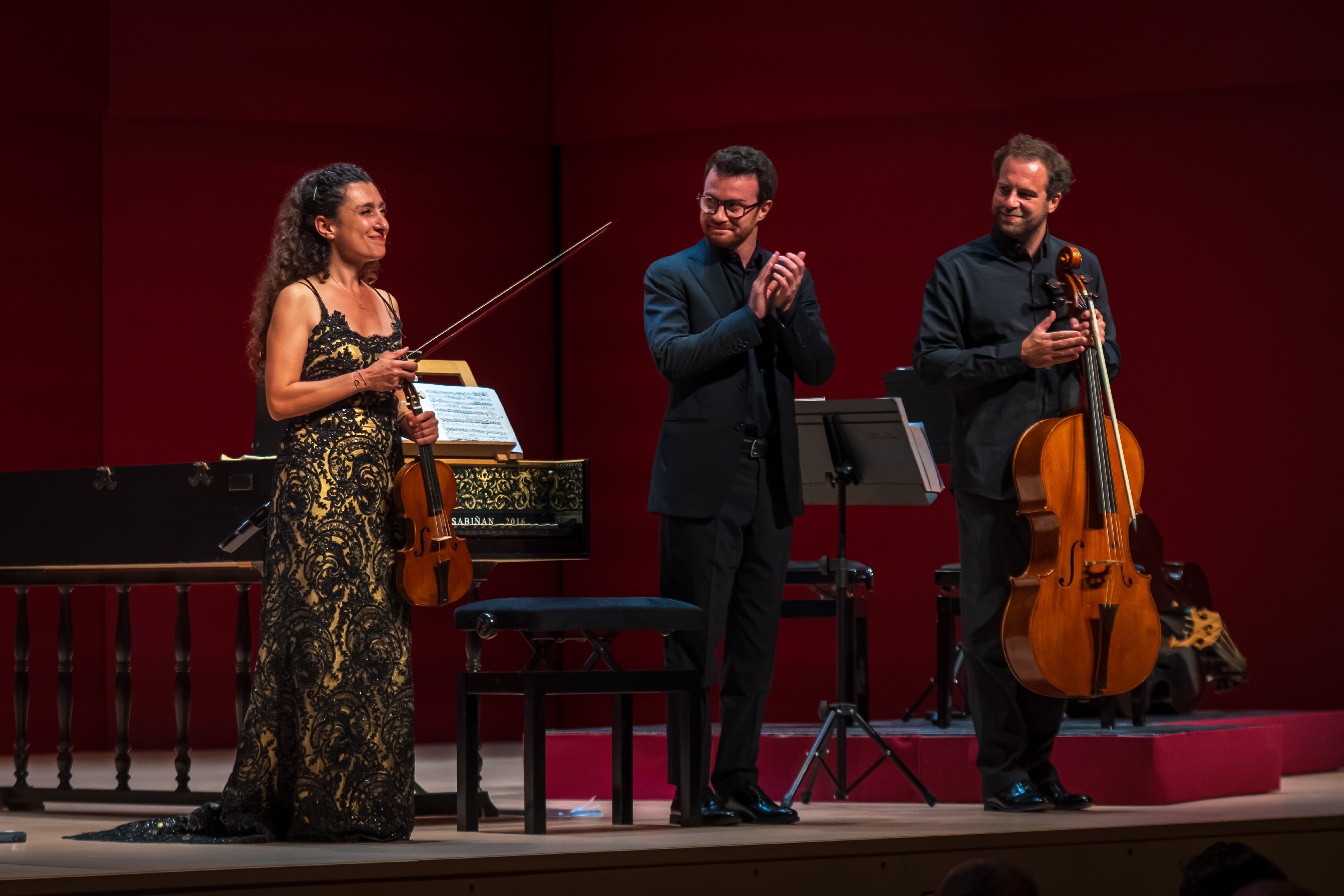
© Roger Lleixà · Festival de Torroella, 2026 -
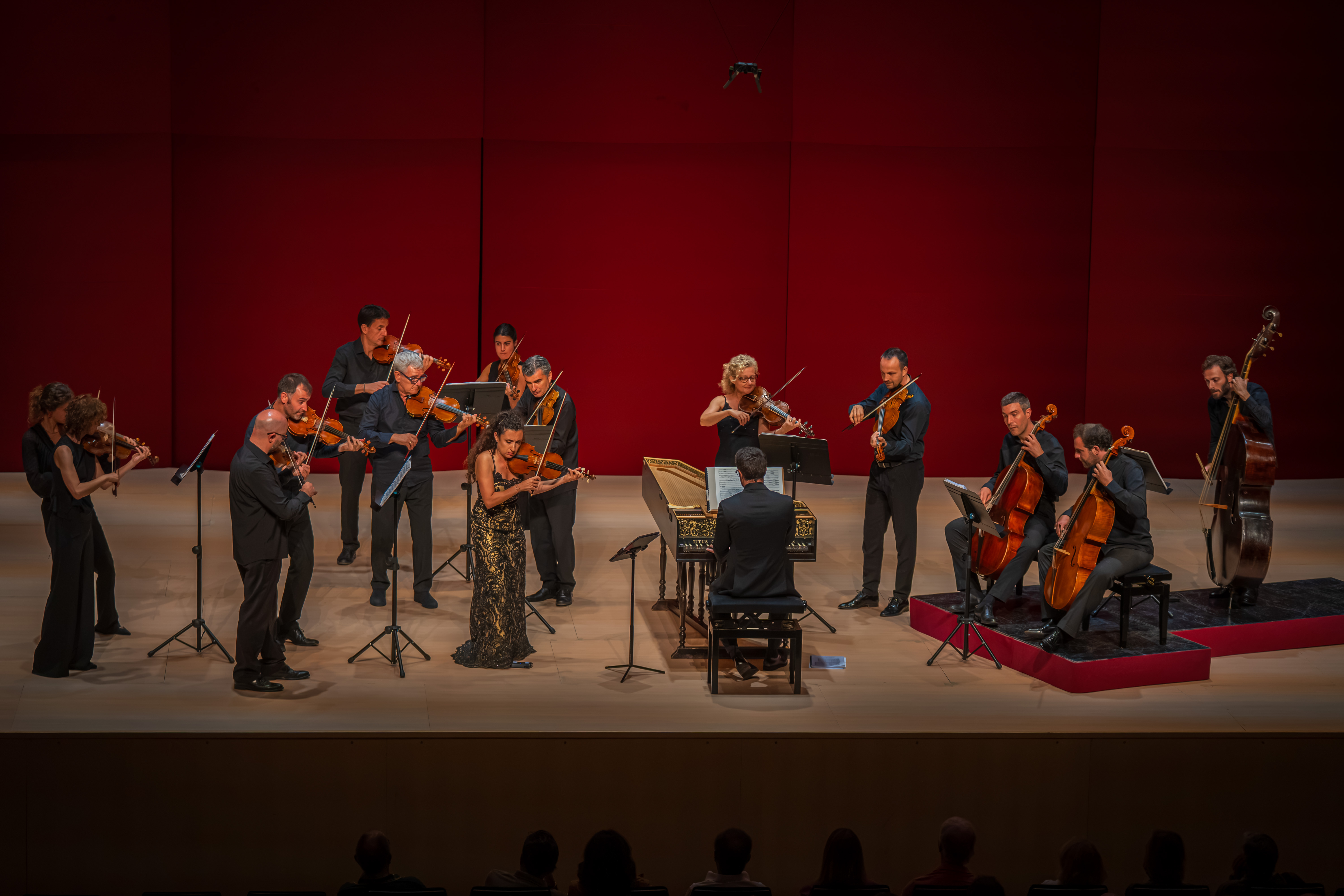
© Roger Lleixà · Festival de Torroella, 2026 -
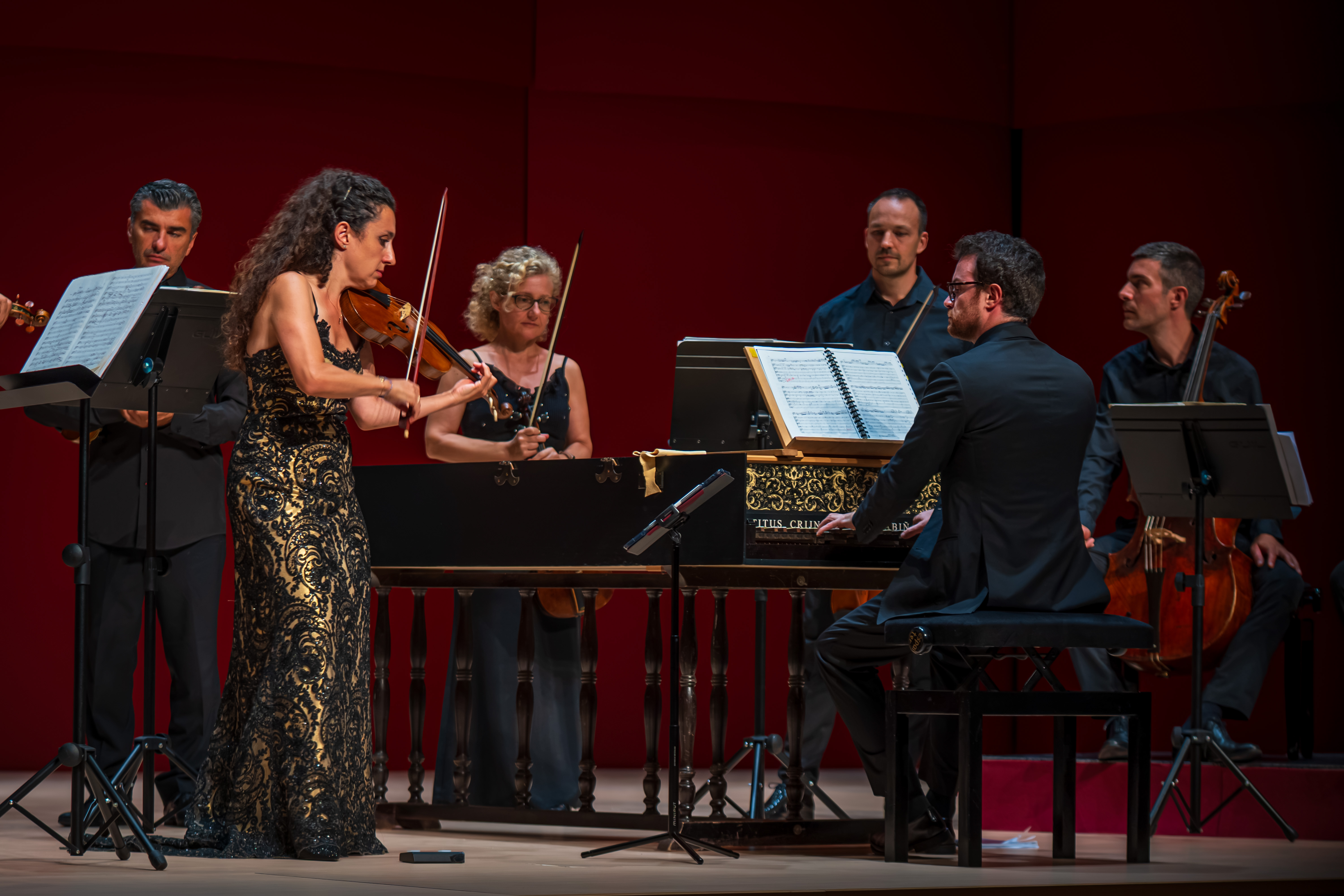
© Roger Lleixà · Festival de Torroella, 2026 -
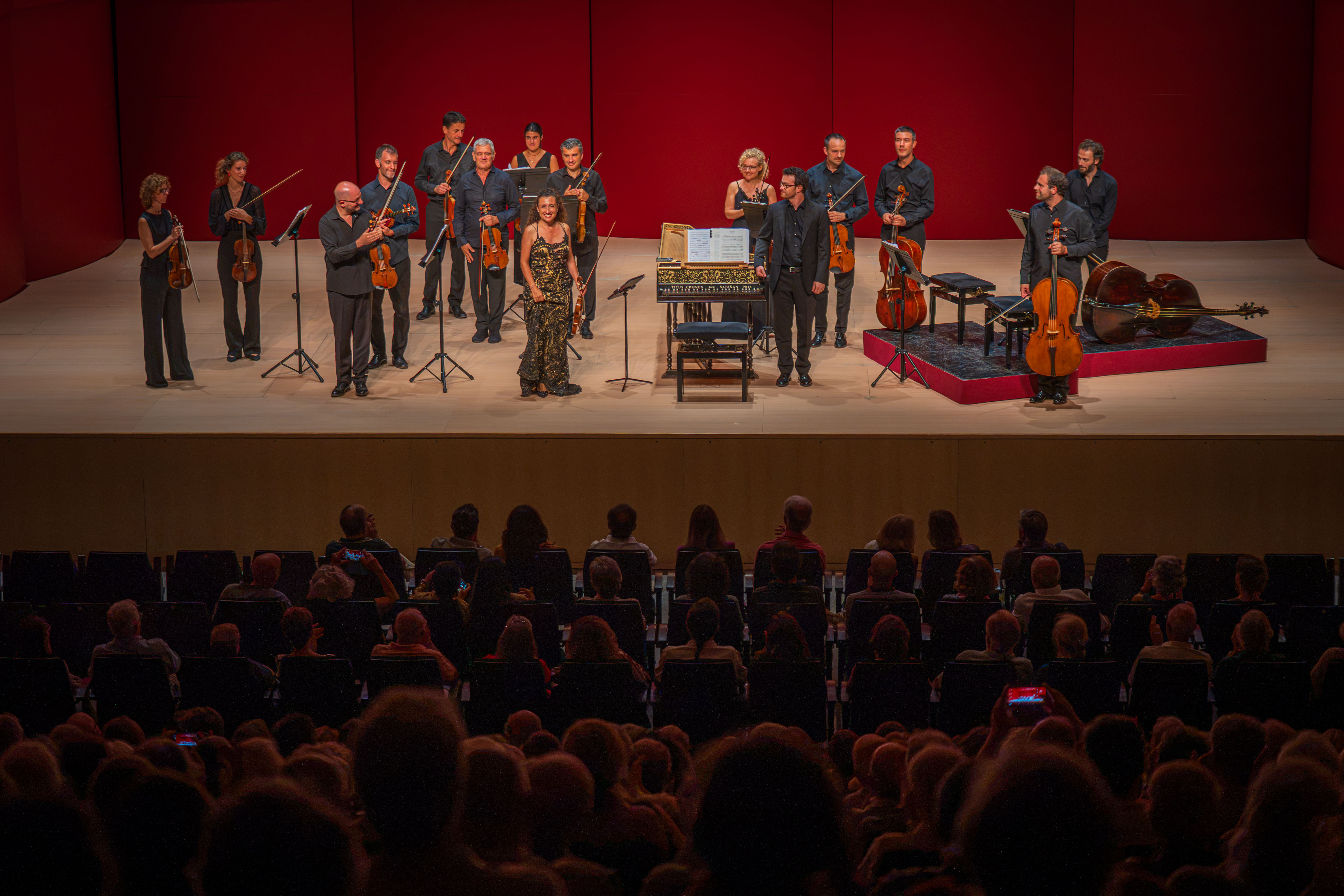
© Roger Lleixà · Festival de Torroella, 2026
Following the concert at the Auditori Espai Ter, Siranossian and the Venice Baroque Orchestra received enthusiastic reviews in the Spanish press.
In Diari de Girona on 10 August 2026, Xavier Paset wrote:
“The performance began with the energy of Vivaldi’s concerto popularly known as La tempesta di mare, in which the ensemble immediately established the foundations for what was to follow: a brilliant sound and an open Baroque style, yet without the vehemence of other ensembles—a quality that greatly enhances the clarity of the musical discourse, avoiding excessive force while conveying the emotion of the works they performed.”
“These moments are undoubtedly conceived to make time stand still, focusing entirely on the art of the soloist. Although written out, they must sound completely free and improvisatory—something Siranossian accomplished flawlessly, while also revealing her distinctive sensitivity in the more melodic passages.”
Imma Merino wrote in El Punt Avui on 11 August 2026:
“The solo violinist evoked the wind and rain through rapid passages, while, amid dissonances conveying tension and danger, the orchestra’s undulating motion made the agitation of the sea waves palpable.”
“A kind of laboratory of virtuosity in which the members of the orchestra, like the audience, become listeners as the soloist confronts all manner of challenges.”
“…I would venture to say that the majority of us in the audience were fascinated, impressed and delighted by the violinist’s energy and intensity, as well as by the distinctive character of her tremolos and spiccato.”
In La Vanguardia on 11 August 2026, Maricel Chavarría wrote:
“The Torroella audience could hardly believe the speed and precision on stage, but above all the beauty of their playing.”
“There, the orchestra was at its very best, attacking and cutting through the music, closing each phrase with great freedom of gesture and creating a highly rhythmic, almost raw Vivaldi.”
“The audience gave a standing ovation to the artists from the Veneto, who rendered an enormous service to the cause of Baroque music.”