

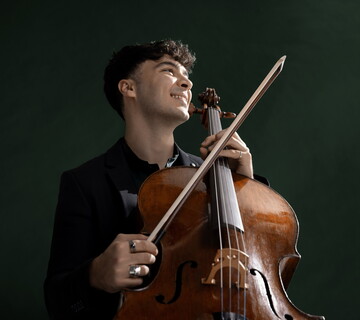
Petar Pejčić

  • Violoncello

Generalmanagement

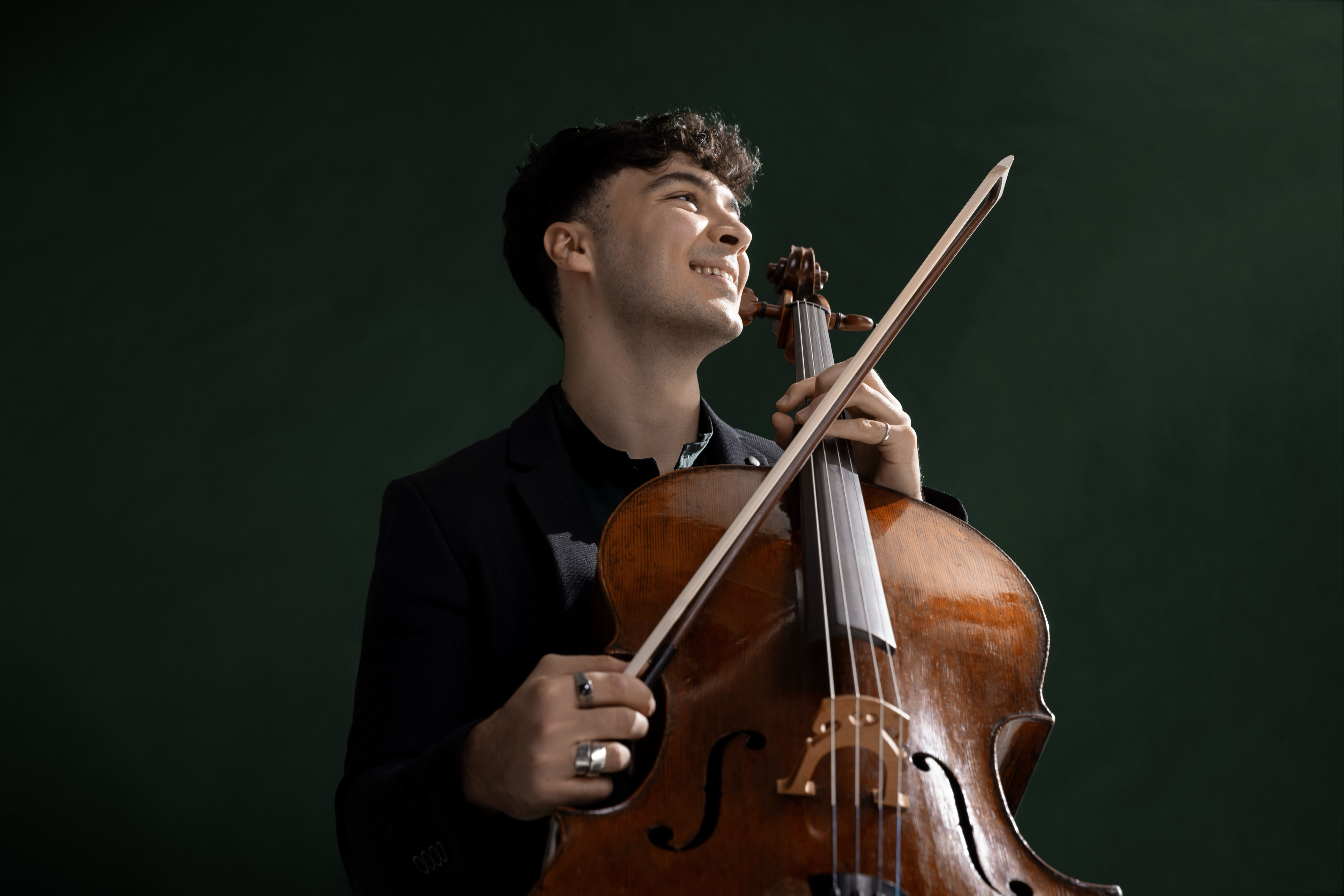
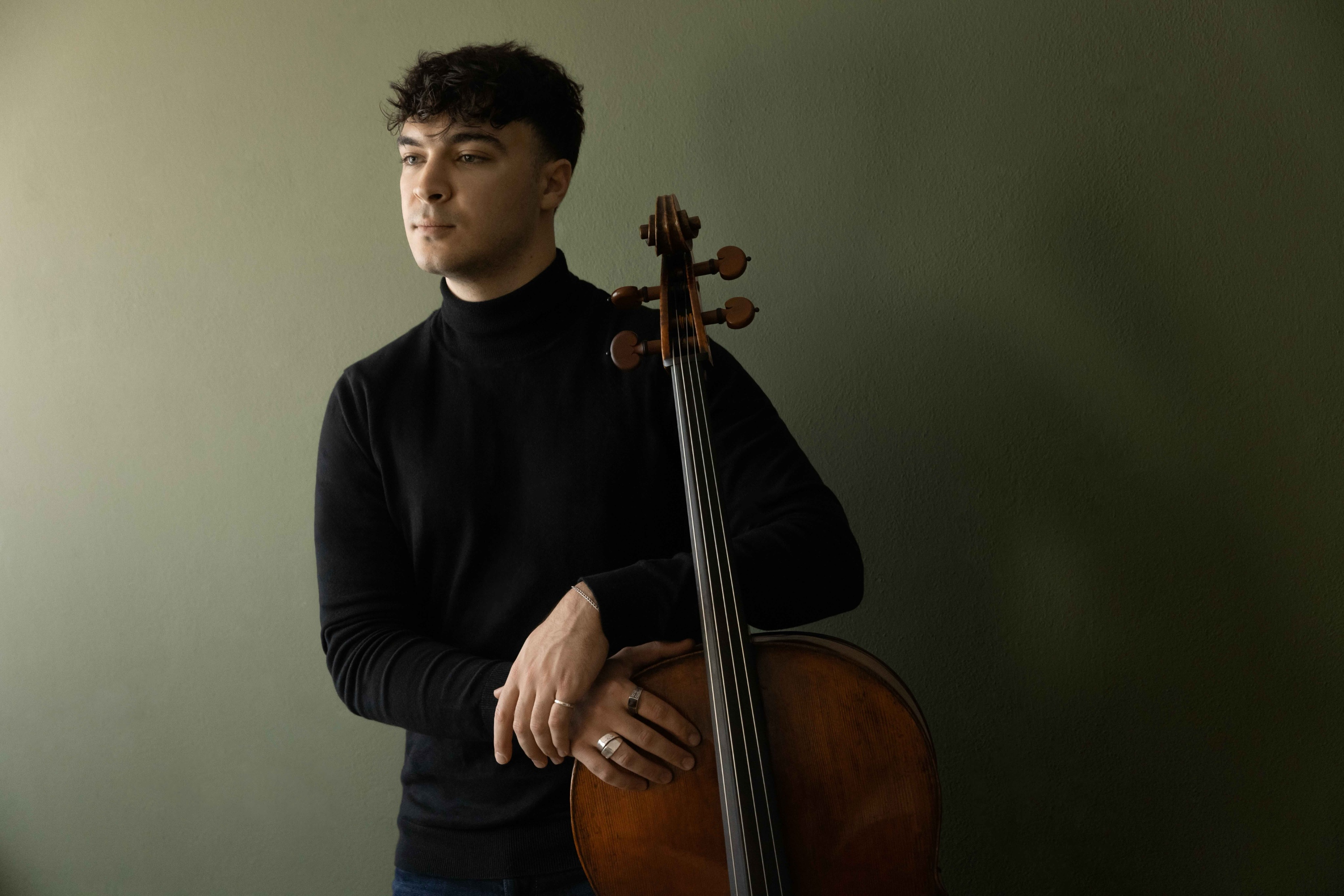
Petar Pejčić © Davide Cerati

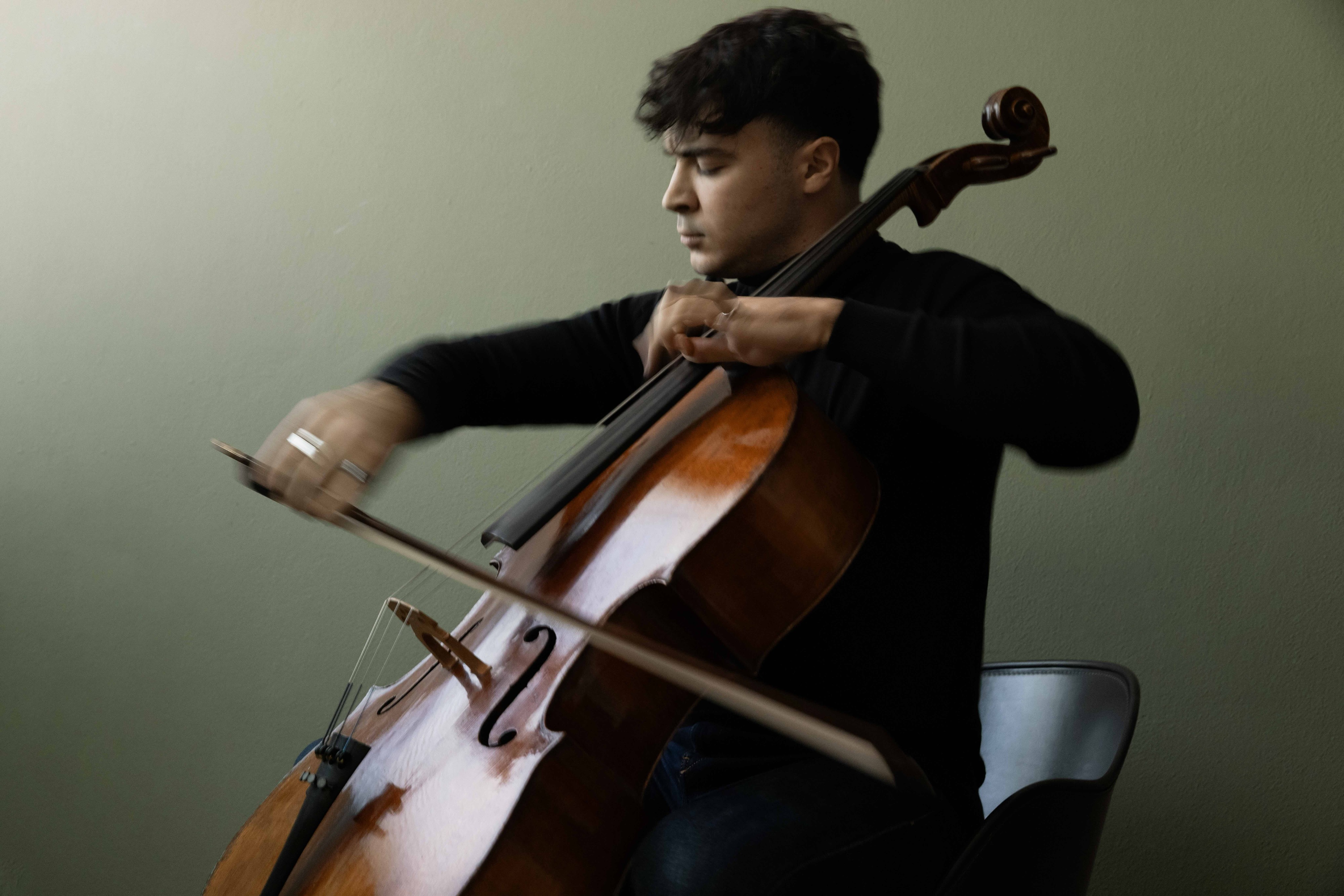
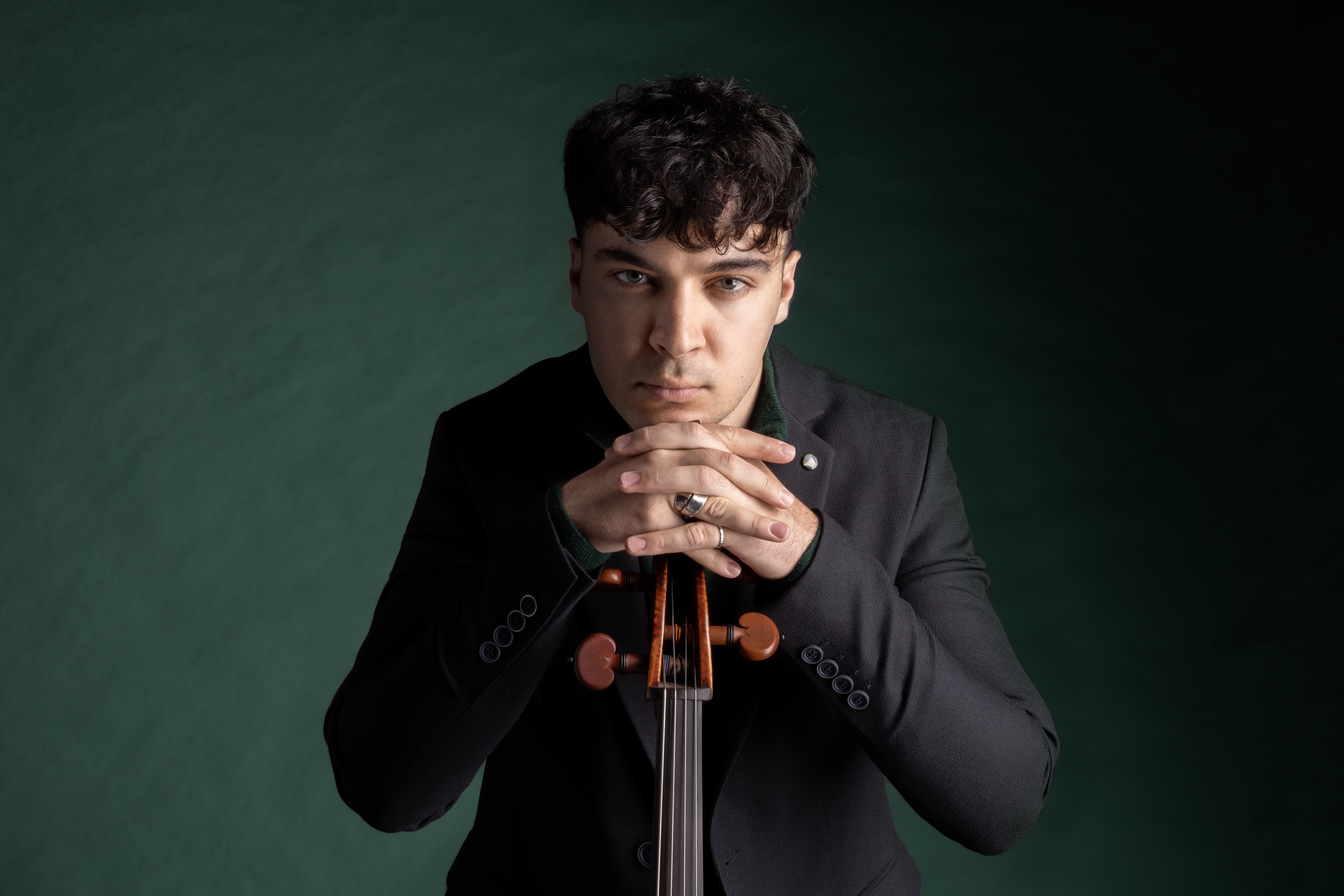
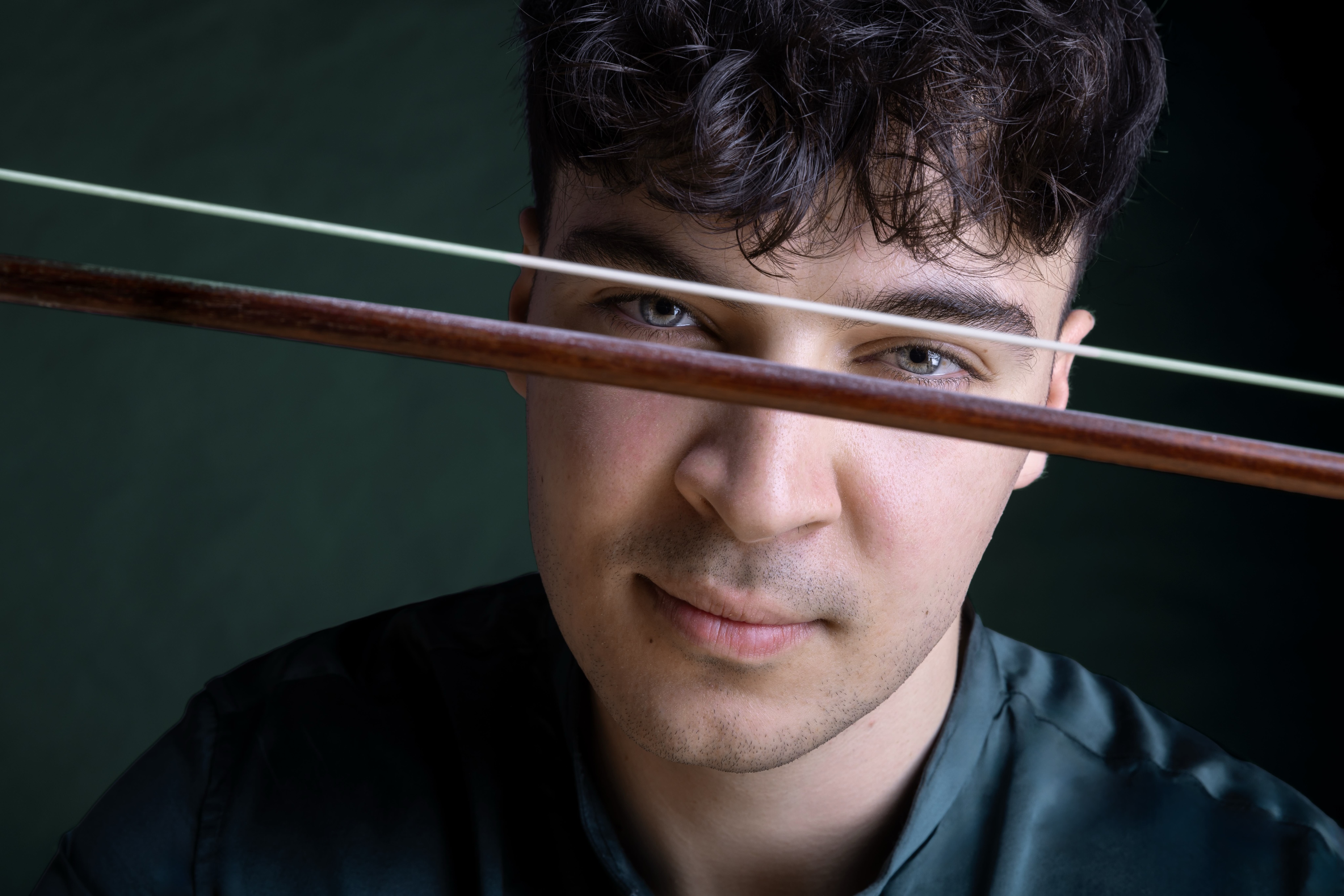
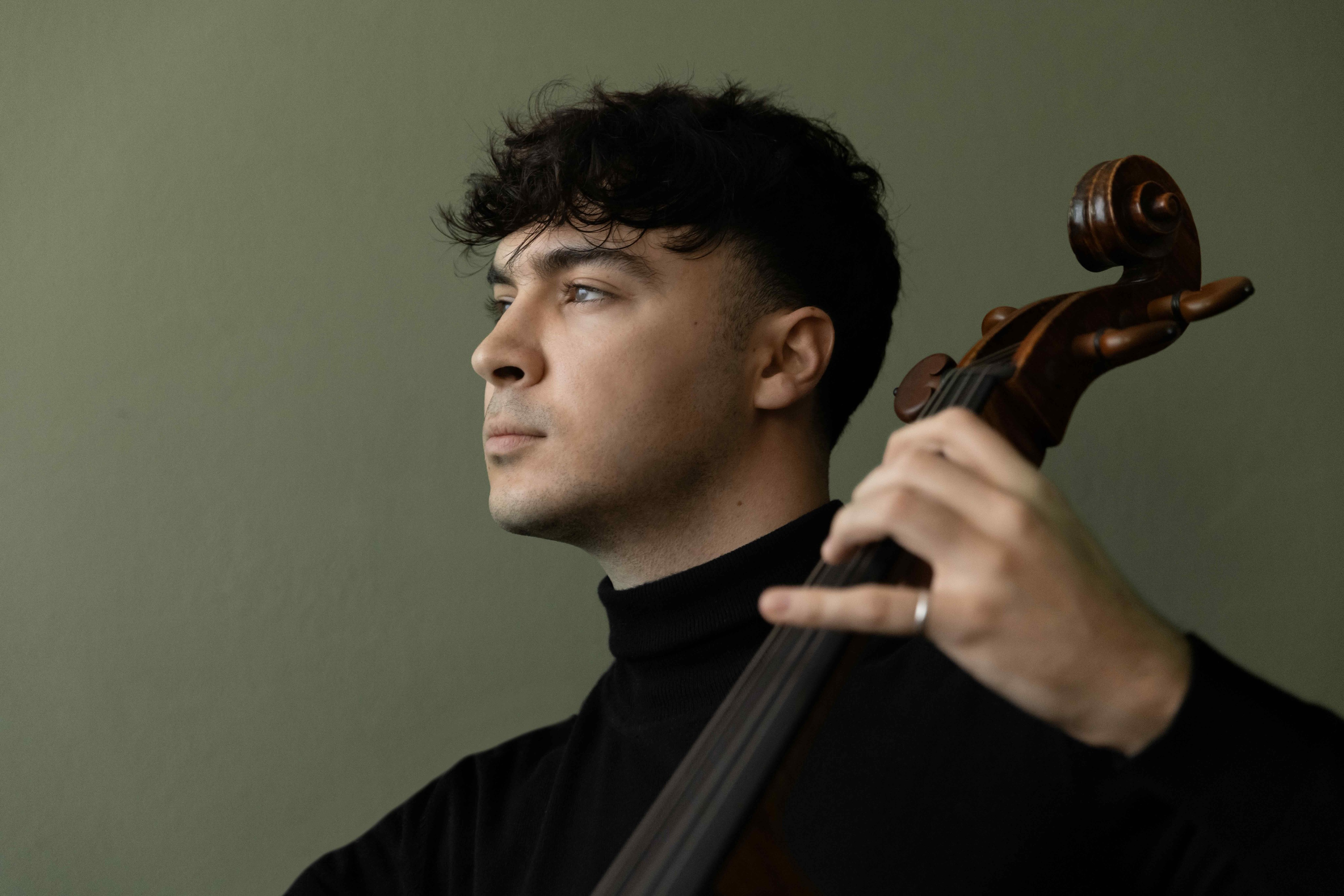
Gelobt als „ein wunderbarer Musiker mit einem beeindruckenden Sinn für das Geschichtenerzählen" (Le Soir), gehört Petar Pejčić zur Spitze der neuen Generation klassischer Musiker. Der Gewinner des YCAT-Wettbewerbs 2025 wurde als ECHO Rising Star 2026–27 ausgewählt und tritt in der kommenden Saison in 20 von 23 teilnehmenden Sälen auf – darunter das Concertgebouw Amsterdam, die Elbphilharmonie Hamburg und der Palau de la Música Catalana in Barcelona.

Geboren in eine Musikerfamilie, begann Petar im Alter von vier Jahren in seiner Heimat Belgrad mit dem Cellospiel. Mit fünfzehn Jahren zog er nach Leipzig, um seine Ausbildung bei dem renommierten Pädagogen Prof. Peter Bruns fortzusetzen – ein Schritt, der den Grundstein für eine internationale Karriere legte. Seine Auswahl als jüngster Finalist und Preisträger beim Königin-Elisabeth-Wettbewerb 2022 machte ihn schlagartig bekannt. Im darauffolgenden Jahr folgte der 2. Preis beim Paulo Cello Wettbewerb 2023. Derzeit setzt er seine Studien an der Kronberg Academy bei dem legendären Prof. Frans Helmerson fort.

mehr

Zu den jüngsten Höhepunkten zählen sein UK-Debüt mit dem BBC Symphony Orchestra und sein Debüt in Südkorea mit dem Korean Chamber Orchestra im Seoul Arts Center. Als Solist tritt er regelmäßig mit führenden Orchestern auf, darunter das Helsinki Philharmonic Orchestra, die Kremerata Baltica, das Antwerp Symphony Orchestra, das Brussels Philharmonic, die Grazer Philharmoniker, das Konzerthausorchester Berlin und das Orchestre Royal de Chambre de Wallonie.

Als Kammermusiker musiziert Petar mit Künstlern wie James Baillieu, Janine Jansen, Friedemann Eichhorn, Giovanni Sollima, Martin Helmchen und Florian Uhlig. Über die Konzertsäle hinaus engagiert er sich für interdisziplinäre Kooperationen – besonders durch seine Zusammenarbeit mit dem Choreografen Jacopo Godani und der Dresden Frankfurt Dance Company, die die Verbindung von Musik und Bewegung neu denkt.

Petar wurde mit Stipendien der arteMusica Stiftung, der Internationalen Musikakademie in Liechtenstein, der Stiftung Freunde Junger Musiker, der Dr. Hübner Stiftung sowie der Peter Klöckner Stiftung (Deutsche Stiftung Musikleben) ausgezeichnet. Er ist der erste Stipendiat des J & A Beare Bursary (2023/24) und wurde 2024 in das Schweizer Career Advancement Programme aufgenommen.

Petar spielt auf einem Cello von Giuseppe Guarneri „filius Andreae" aus dem Jahr 1694, das ihm großzügig von der Beare's International Violin Society zur Verfügung gestellt wird, sowie auf einem Cello von Stephan von Baehr (Paris 2012), das ihm von der Deutschen Stiftung Musikleben als Leihgabe anvertraut ist.

Saison 2026/2027

Bitte verwenden Sie ausschließlich diese von Weigold & Böhm autorisierte Biographie.

Kontakt

Konzerte

Projekte

  • Standard-Repertoire - Termine auf Anfrage

    Prayer to Ecstasy | Gebet zur Ekstase

    Petar Pejčić, cello solo

    Programm:

    Johann Sebastian Bach (1685–1750) – Suite No. 2 in D minor, BWV 1008 I. Prélude (~4')
    Johann Sebastian Bach (1685–1750) – Suite No. 6 in D major, BWV 1012 VI. Gigue (~3')
    Giuseppe Dall'Abaco (1710–1805) – Capriccio No. 1 in C minor (~3')
    Ana Sokolović (1968) – Vez for solo cello (~6')
    Đuro Živković (1975) – The Icon (~10') co-commissioned by Festspielhaus Baden-Baden, Konzerthaus Dortmund, Palau de la Música Catalana and the European Concert Hall Organisation (ECHO)

    Interval

    Ernest Bloch (1880–1959) – From Jewish Life: I. Prayer (~4')
    Giovanni Sollima (1962) – Alone (~6')
    Johann Sebastian Bach (1685–1750) – Suite No. 5 in C minor, BWV 1011 IV. Sarabande (~4')
    Johann Sebastian Bach (1685–1750) – Suite No. 3 in C major, BWV 1009 I. Prélude (~5')
    György Ligeti (1923–2006) – Cello Sonata (~8') I. Dialogo II. Capriccio

    ENG

    This program for violoncello solo is a musical exploration of a spiritual experience, tracing the journey from quiet introspection to ecstatic transcendence. Inspired by the process of prayer in Orthodox Christianity—deeply embedded in my own cultural roots—it reflects the way prayer evolves from contemplation and meditation into an overwhelming sense of elation and self-transcendence.

    Each group of pieces in the program contributes to this arc. The works of Dall’Abaco and Bloch ground the listener in profound solitude, evoking the inward focus of early prayer. Sokolović and Sollima then push the boundaries of the instrument’s expressive potential, leading the program toward a state of rapture and transcendence. Finally, Bach, Ligeti, and Živković offer works that encapsulate the tonal duality at the heart of the program, standing both within and beyond tradition.

    Through this music, the cello becomes an extension of the voice—at times a whisper, at times a cry—expressing the universal and deeply human longing for connection with something beyond oneself.

    DE

    Dieses Programm für Violoncello solo ist eine musikalische Erkundung einer spirituellen Erfahrung und zeichnet den Weg von stiller Innenschau bis zur ekstatisc…Dieses Programm für Violoncello solo ist eine musikalische Erkundung einer spirituellen Erfahrung und zeichnet den Weg von stiller Innenschau bis zur ekstatischen Transzendenz nach. Inspiriert vom Prozess des Gebets im orthodoxen Christentum, der tief in meinen eigenen kulturellen Wurzeln verankert ist, spiegelt es wider, wie sich das Gebet von Kontemplation und Meditation hin zu einem überwältigenden Gefühl von Hochstimmung und Selbsttranszendenz entwickelt.

    Jede Werkgruppe im Programm trägt zu diesem Bogen bei. Die Werke von Dall'Abaco und Bloch verankern den Hörer in tiefer Einsamkeit und rufen die nach innen gerichtete Konzentration des frühen Gebets hervor. Sokolović und Sollima loten dann die Ausdrucksgrenzen des Instruments aus und führen das Programm in einen Zustand der Verzückung und Transzendenz. Bach, Ligeti und Živković schließlich bieten Werke, die die tonale Dualität im Kern des Programms verkörpern und zugleich innerhalb und jenseits der Tradition stehen.

    Durch diese Musik wird das Cello zur Verlängerung der Stimme, mal ein Flüstern, mal ein Schrei, und drückt die universelle und zutiefst menschliche Sehnsucht nach Verbindung mit etwas aus, das über einen selbst hinausreicht.

  • Standard-Repertoire - Termine auf Anfrage

    For Slava!

    Petar Pejčić, cello - Nour Ayadi, piano

    Programm:

    Nadia Boulanger (1887–1979) – Three Pieces for cello and piano (approx. 10 min.)
    I. Modéré (Moderate)
    II. Sans vitesse et à l'aise (Slow and free)
    III. Vite et nerveusement rythmé (Fast, with sharp rhythm)

    Benjamin Britten (1913–1976) – Sonata in C major for cello and piano, Op. 65 (approx. 20 min.)
    I. Dialogo (Dialogue)
    II. Scherzo-Pizzicato
    III. Elegia (Elegy)
    IV. Marcia (March)
    V. Moto perpetuo (Perpetual motion)

    Đuro Živković (b. 1975) – The Icon (approx. 10 min.) co-commissioned by Festspielhaus Baden-Baden, Konzerthaus Dortmund, Palau de la Música Catalana and the European Concert Hall Organisation (ECHO)

    Mstislav Rostropovich (1927–2007) – Humoresque for cello and piano (approx. 3 min.)

    Interval

    Dmitri Shostakovich (1906–1975) – Sonata in D minor for cello and piano, Op. 40 (approx. 25 min.)
    I. Allegro non troppo (Not too fast)
    II. Allegro (Fast)
    III. Largo (Broad and solemn)
    IV. Allegro (Fast)

    Astor Piazzolla (1921–1992) – Le Grand Tango for cello and piano (approx. 11 min.)

    ENG

    This program pays homage to Mstislav Rostropovich, one of the most influential musicians of the 20th century. A legendary cellist, visionary champion of contemporary music, and magnetic cultural figure, Rostropovich inspired generations of composers to expand the instrument’s possibilities. Ever since first discovering his recordings as an aspiring young celllist in Belgrade, his artistry has shaped my own musical path and vision. Each work on this program bears a direct connection to him—whether written for, premiered by, or indelibly associated with his performances—offering a portrait of the remarkable creative world that surrounded “Slava” throughout his life.

    Presented in the 2026/27 season, marking the centenary of his birth in 1927, this tribute seeks not only to honor his enduring legacy, but also to reflect how deeply his influence continues to resonate with musicians and audiences today.

    DE

    Dieses Programm ist eine Hommage an Mstislaw Rostropowitsch, einen der einflussreichsten Musiker des 20.Dieses Programm ist eine Hommage an Mstislaw Rostropowitsch, einen der einflussreichsten Musiker des 20. Jahrhunderts. Als legendärer Cellist, visionärer Verfechter zeitgenössischer Musik und charismatische Kulturfigur regte Rostropowitsch Generationen von Komponisten dazu an, die Möglichkeiten des Instruments zu erweitern. Seit ich als angehender junger Cellist in Belgrad zum ersten Mal seine Aufnahmen entdeckte, hat seine Kunst meinen eigenen musikalischen Weg und meine Vision geprägt. Jedes Werk dieses Programms steht in direkter Verbindung zu ihm, sei es für ihn geschrieben, von ihm uraufgeführt oder untrennbar mit seinen Interpretationen verbunden, und zeichnet so ein Bild der bemerkenswerten kreativen Welt, die "Slava" sein Leben lang umgab.

    In der Saison 2026/27 präsentiert, anlässlich des 100. Jahrestags seiner Geburt im Jahr 1927, will diese Würdigung nicht nur sein bleibendes Vermächtnis ehren, sondern auch zeigen, wie tief sein Einfluss bei Musikern und Publikum bis heute nachhallt.

  • Standard-Repertoire - Termine auf Anfrage

    Distant Home | Heimweh

    Petar Pejčić, cello - Nour Ayadi, piano

    Programm:

    Frédéric Chopin (1810–1849) – Introduction and Polonaise brillante in C major, Op. 3 (approx. 10 min.)

    Antonín Dvořák (1841–1904) – Silent Woods, Op. 68 No. 5 (approx. 5 min.)

    Miloje Milojević (1884–1946) – The Legend of Jefimija (approx. 10 min.)

    Claude Debussy (1862–1918) – Sonata in D minor for cello and piano (approx. 12 min.)
    I. Prologue
    II. Sérénade
    III. Finale

    Interval

    Gabriel Fauré (1845–1924) – Élégie, Op. 24 (approx. 7 min.)

    Frédéric Chopin (1810–1849) – Sonata in G minor for cello and piano, Op. 65 (approx. 30 min.)
    I. Allegro moderato
    II. Scherzo
    III. Largo
    IV. Finale. Allegro

    ENG

    Heimweh (german for homesick) takes the audience on a journey through the bittersweet emotions of homesickness and nostalgia. This program features a collection of works that reflect the feeling of yearning for home that is so often felt when away from familiar surroundings.

    DE

    "Heimweh" nimmt das Publikum mit auf eine Reise durch die bittersüßen Gefühle von Sehnsucht und Nostalgie. Das Programm versammelt Werke, die jenes Verlangen nach Zuhause widerspiegeln, das man so oft empfindet, wenn man fern vertrauter Umgebung ist.

  • Standard-Repertoire - Termine auf Anfrage

    INAT | Cello & Piano

    Petar Pejčić, cello - Nour Ayadi, piano

    Programm:

    Bohuslav Martinů (1890–1959) – Variations on a Slovak Theme, H. 378 (approx. 9 min)
    Vasilije Mokranjac (1923–1984) – Old Song and Dance for Cello and Piano (approx. 6 min)
    Sergei Prokofiev (1891–1953) – Cello Sonata in C major, Op. 119 (approx. 25 min)
    I. Andante grave II. Moderato III. Allegro ma non troppo

    Intermission

    Đuro Živković (b. 1975) – The Icon for Cello and Piano (approx. 10 min)
    Ludwig van Beethoven (1770–1827) – Cello Sonata No. 4 in C major, Op. 102 No. 1 (approx. 15 min)
    I. Andante – Allegro vivace II. Adagio – Tempo d’andante – Allegro vivace

    ENG INAT is a Serbian word for which there is no exact English equivalent. It describes a unique combination of determination, pride, and inner strength—the resolve to remain true to one’s convictions, even in the face of challenges.

    For Petar Pejčić, Inat is not only a cultural concept but also a personal philosophy. It shapes his artistic journey, his musical decisions, and his commitment to championing new music.

    The works in this program reflect this idea in different ways: as a challenge to musical conventions, as an affirmation of cultural identity, or as an expression of personal freedom and artistic independence.

    DE INAT ist ein serbischer Begriff, für den es keine genaue deutsche Entsprechung gibt. Er beschreibt eine besondere Form von Entschlossenheit, Stolz und innerer Stärke – den Willen, den eigenen Überzeugungen treu zu bleiben, auch wenn dies mit Herausforderungen verbunden ist.

    Für Petar Pejčić ist Inat nicht nur ein kulturelles Konzept, sondern auch eine persönliche Haltung. Es prägt seinen musikalischen Weg, seine künstlerischen Entscheidungen und sein Engagement für neue Musik.

    Die Werke dieses Programms spiegeln diesen Gedanken auf unterschiedliche Weise wider: als Widerstand gegen musikalische Konventionen, als Bekenntnis zur eigenen kulturellen Identität oder als Ausdruck persönlicher Freiheit und Unabhängigkeit.

YouTube