

Andrea Marcon and Julia Lezhneva present Mozart evenings with the Munich Philharmonic

On 9 and 10 January 2026, soprano Julia Lezhneva appeared with the Munich Philharmonic at the Isarphilharmonie. The concerts were conducted by guest conductor Andrea Marcon and featured a programme consisting exclusively of works by Wolfgang Amadeus Mozart.
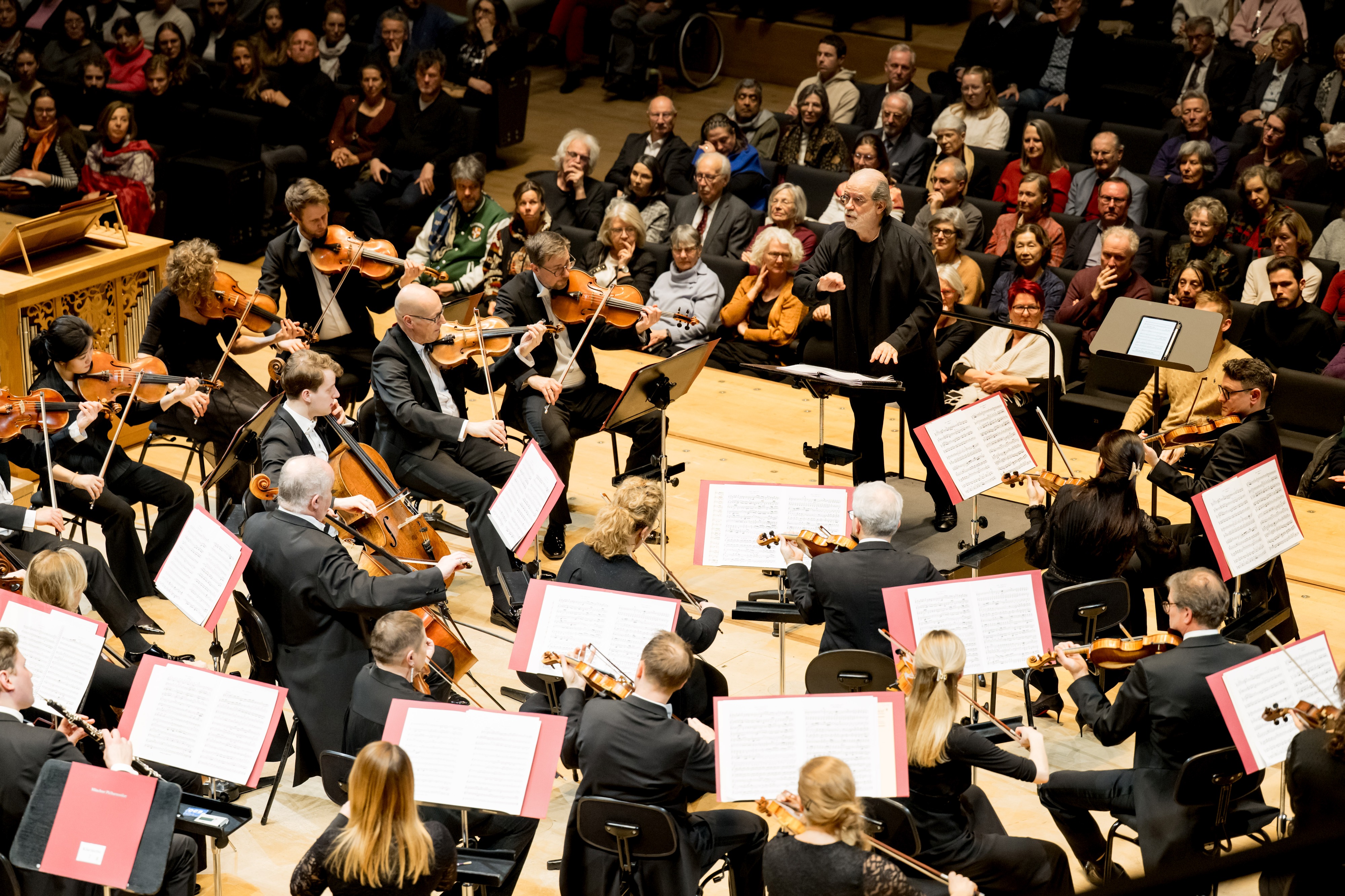
The Munich Philharmonic opted for a reduced orchestral layout with only eight first violins, thus aligning the performances with principles of historical performance practice. The programme combined well-known works with less frequently performed compositions by Mozart, highlighting the stylistic breadth and refinement of his oeuvre.
Programme
Overture to »Le nozze di Figaro« K. 492
»Ei parte … senti … ah no! – Per pietà, ben mio, perdona«, Fiordiligi's recitative and aria from »Così fan tutte« KV 588
»L’amerò, sarò costante«, Aminta's aria from »Il re pastore« KV 208
Symphony in C major KV 338
»Parto, ma tu, ben mio«, Sesto's aria from »La clemenza di Tito« KV 621
Intermission
»Exsultate, jubilate«, Motet for Soprano and Orchestra KV 165
Symphony in E-flat major, K. 543
-
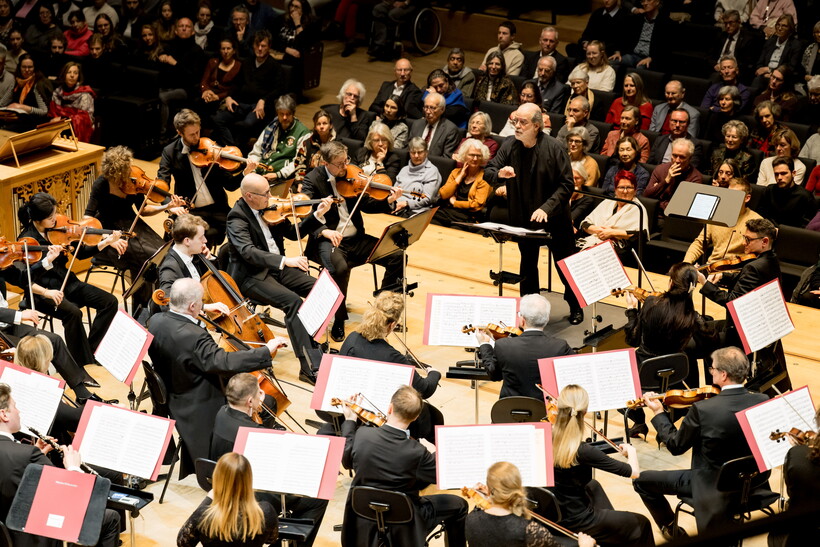
Andrea Marcon, Münchner Philharmoniker ©Tobias Hase -
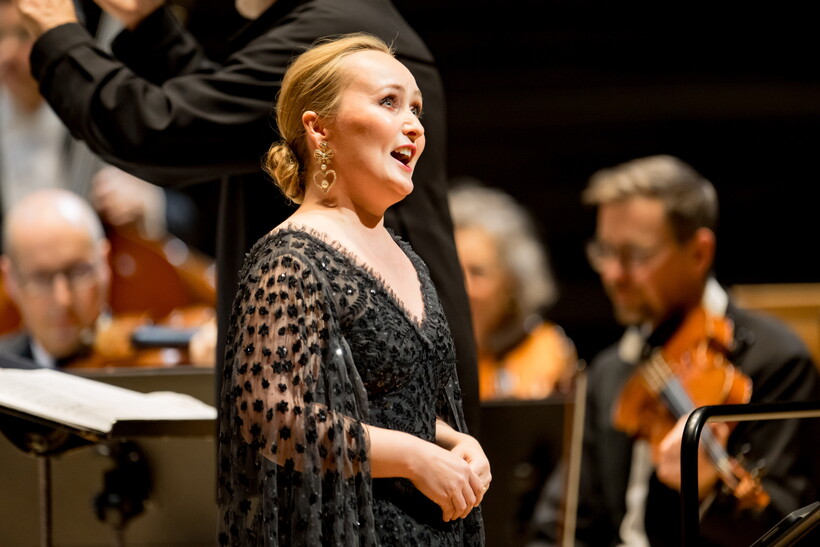
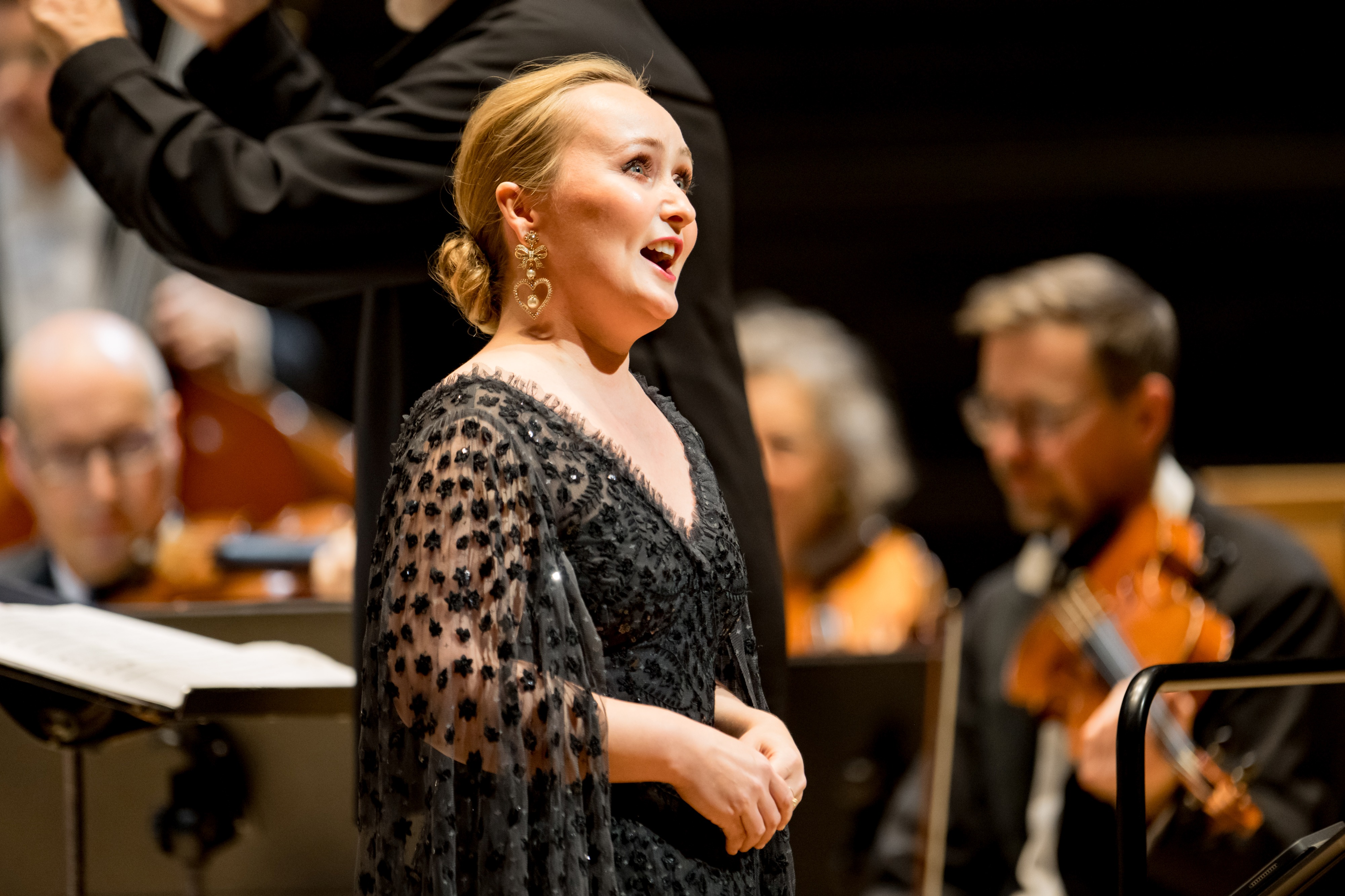
Andrea Marcon, Julia Lezhneva, Münchner Philharmoniker ©Tobias Hase -
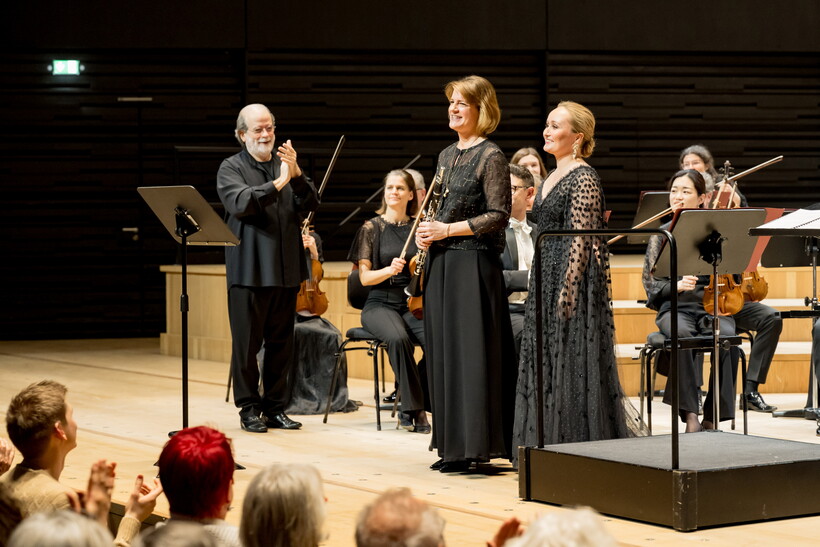
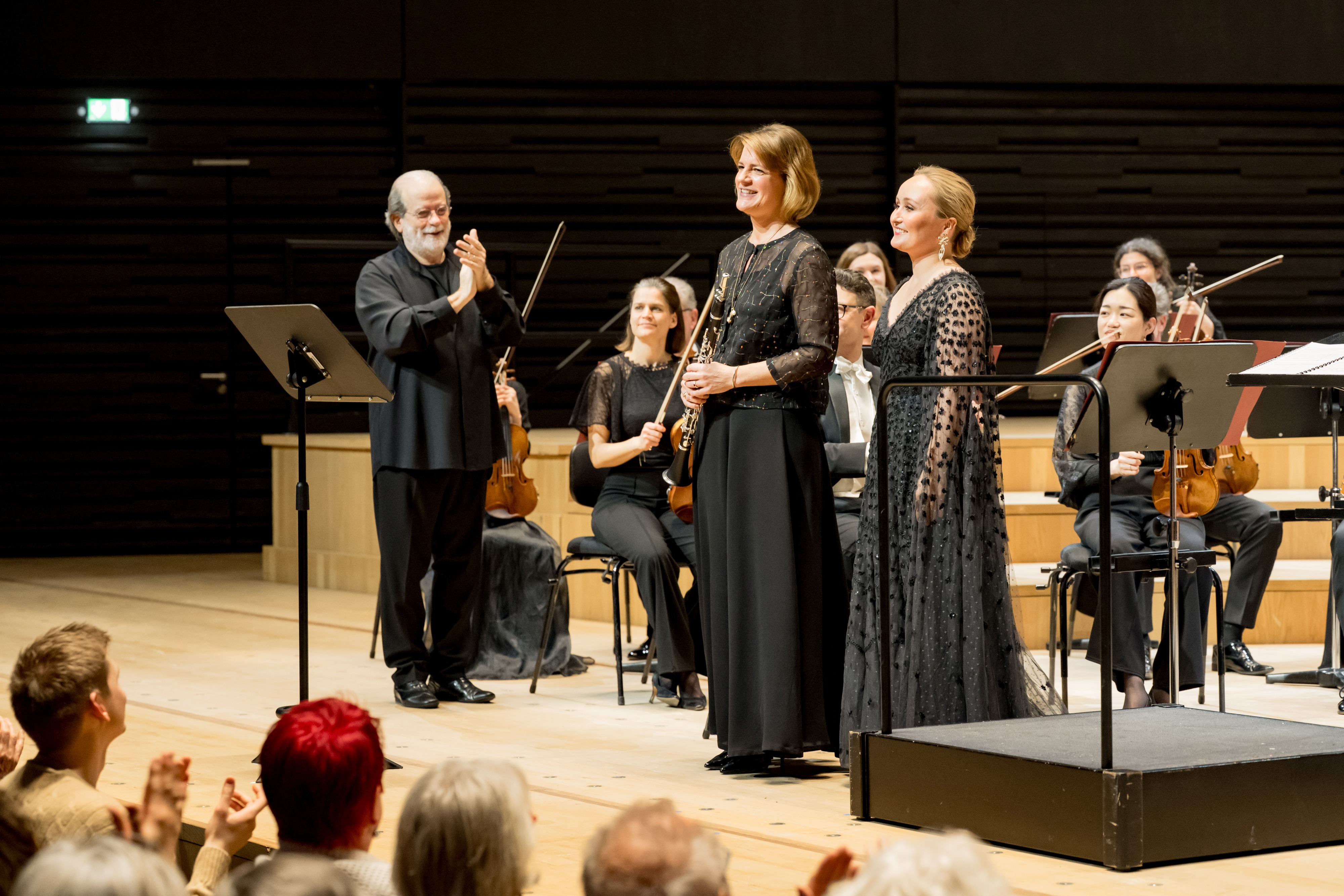
Andrea Marcon, Julia Lezhneva, Alexandra Gruber, Münchner Philharmoniker ©Tobias Hase
Press reviews
In the Münchner Merkur of 13 January, Tobias Hell wrote:
“Whether in the transparent string sections or in the wind parts, the conductor knew how to bring them vividly to the fore, both in the Symphony in C major KV 338 and in its later counterpart in E-flat major, KV 543. In doing so, Marcon traced not only Mozart’s artistic development but also kept his musical roots clearly in view.”
“A virtuoso piece of the highest order, in which she allowed her exquisitely timbred soprano to soar to the very top of its range, powerfully underlining her exceptional stature.”
In an article published in the Süddeutsche Zeitung on 12 January 2026, Michael Stallknecht wrote:
“What Marcon brings to the table becomes evident in the Symphony in C major KV 338 and the late Symphony in E-flat major KV 543: ease, naturalness, and a sense of lightness.”
“The soprano [Julia Lezhneva], equally at home in early music, is renowned both for her virtuosity and for her refined timbre. In ‘L’amerò, sarò costante’ from Il re pastore, the voice flows with classical balance, while the Fiordiligi rondo from Così fan tutte is enriched with several unusual ornaments.”
In the Abendzeitung on 11 January 2026, Robert Braunmüller wrote:
“In the aria ‘Parto, ma tu, ben mio’ from La clemenza di Tito, the soprano transformed the piece into a duet with the clarinettist Alexandra Gruber, whose instrument seemed to sing in equal partnership. In the sacred motet Exsultate, jubilate, Julia Lezhneva demonstrated not only flawless coloratura virtuosity but also, with her very clear vocal delivery, the aura of angelic purity.“
“Marcon worked with subtle tempo inflections, thereby emphasising the quirky character of the second theme in the first movement of the Symphony in C major KV 338. Even if it often seems necessary to resort to acrobatics to make this music sound fresh, it can also succeed through more subtle means, without shattering Rococo porcelain.”
On Opera Online on 10 January 2026, Dr Helmut Pitsch wrote:
“Lively yet measured in tempo and moderate in dynamics, Marcon adheres discreetly to a transparent, gently flowing interpretation. […] Marcon pays close attention to the resonance of all instrumental groups, resulting in a finely articulated overall sound.”
“In the upper register, [Julia Lezhneva] plays with her remarkable vocal resources. The oath of fidelity of Aminta, ‘L’amerò, sarò costante’ from the early work Il re pastore, follows with sensitivity and emotional depth. She brings out the simplicity of the aria beautifully, demonstrating the flexibility of her voice and conveying a striking sense of sincerity.”